
BEYOND THE SURFACE
Types of Pelvic Floor Treatment

Pelvic Floor Physical Therapy
This is a specialized form of physical therapy that focuses on assessing and addressing issues related to the pelvic floor muscles. These muscles are located inside the vagina/pelvis. Sessions include an internal evaluation (vaginal exam) and an external exam (assessment of lower back, hips and abdomen). I evaluate the tone, tension and strength of the muscles, and then I will develop a treatment plan.

Dry Needling/Acupuncture
Dry needling: This is a technique that I use to specifically target the muscles in the lower back, hips, gluteals, and some muscles of the pelvic floor. By using a thin acupuncture needle and inserting it into a tight muscle, it is observed that this can decrease soft tissue restriction/tension, alleviate pain, and restore muscle activation. Additionally, this is also a great treatment option that can help with C-section scarring.
Acupuncture: This technique is based on traditional Chinese medicine principles, which involve stimulating specific points along the body to restore balance and enhance the body's ability to heal. In the context of pelvic floor health, acupuncture may be used to address issues such as pelvic/vaginal or rectal pain, incontinence/overactive bladder, interstitial cystitis, or other musculoskeletal concerns.

Cupping
Glass or plastic cups are used to create negative pressure and suction on the tissue. This causes the tissue beneath the cup to be drawn up and swell, leading to an increase in blood flow to the affected area. Enhanced blood flow under the cups helps bring oxygen, promoting healing and modulating pain. I use this technique to aid in releasing scar tissue, reducing pain, improving blood circulation/swelling, and promoting mobility and range of motion.

TrP Manual Therapy
Techniques applied internally (intra-vaginal) to the muscles and connective tissues within the pelvic region. This can be thought of like a “deep tissue massage” to muscles that are overactive (too tight) to address muscular imbalances, tension, pain and improve flexibility to enhance overall pelvic floor function.

Internal Tailbone (Coccyx) Manipulation
Internal mobilization of the tailbone is used to assist with realignment and/or alleviate pain in the tailbone. Soft tissue mobilization targets the muscles and ligaments attached to the coccyx. These structures can be a source of pain and contribute to the persistence of pain. Many medical specialists do not have experience with this type of internal treatment.
Internal Biofeedback
RECTAL OR VAGINAL
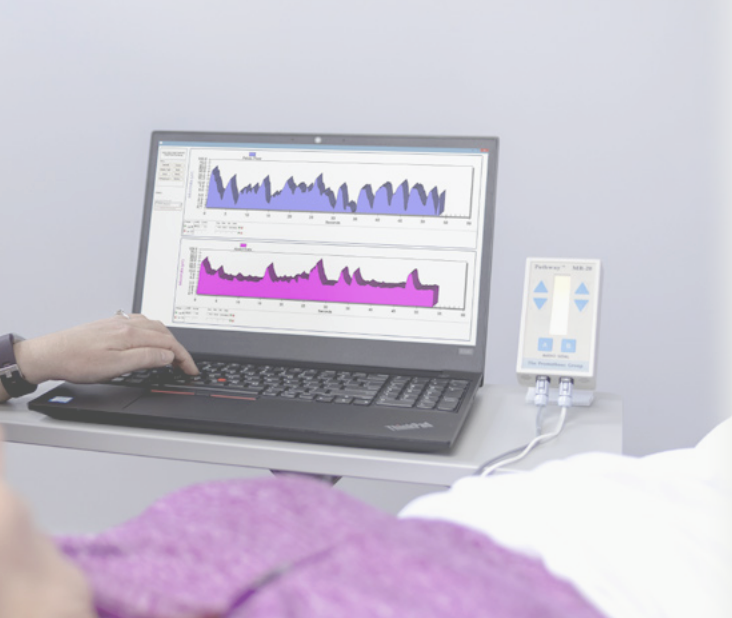
Internal biofeedback uses a small rectal or vaginal sensor to give you real-time information about how your pelvic floor muscles are functioning. You can view on a computer screen how well you contract and relax the muscles, providing objective data to help measure progress over time. This service helps you learn how to properly relax, coordinate, and activate the pelvic floor for improved bladder, bowel, and pelvic pain function. Prometheus Pelvic Floor Rehabilitation System with Pelvic Electromyography (CTS-2000B) — Pathway® CTS 2000 Muscle is the machine used.
Internal Electrical Stimulation
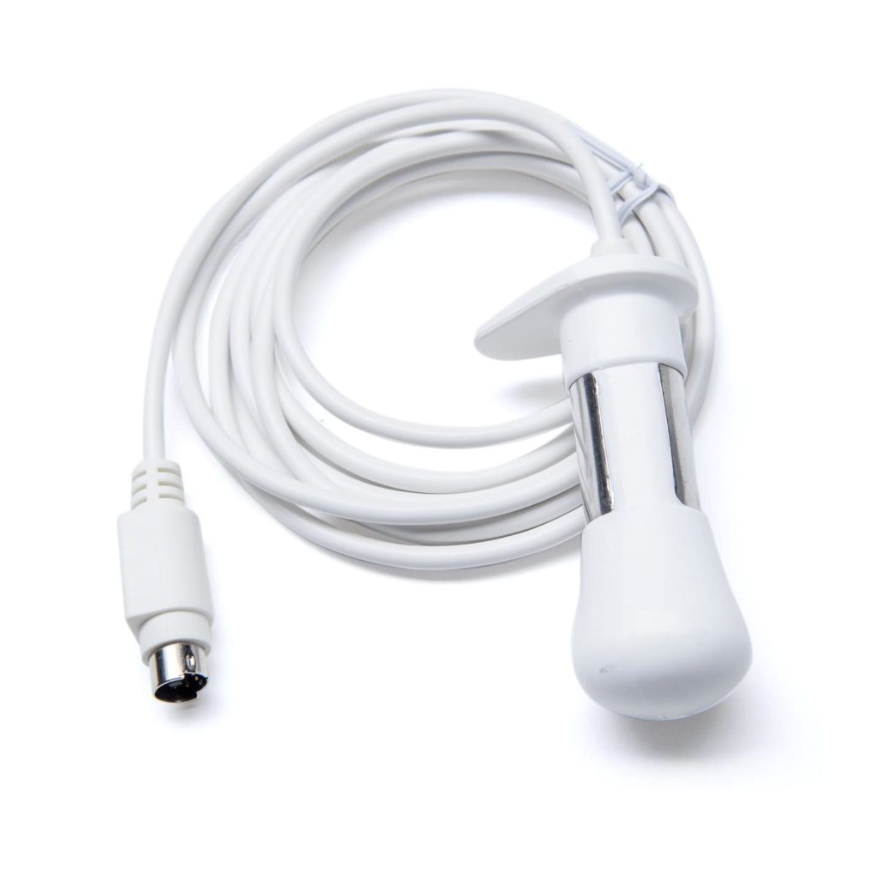
Internal electrical stimulation uses a gentle, low-level current delivered through a small rectal or vaginal sensor to help improve pelvic floor muscle strength and coordination. It can reduce bladder urgency, help with urinary leakage (both urgency and stress incontinence such as with coughing, laughing, or sneezing), support more complete bladder emptying, and assist in treating neurogenic bladder. Prometheus Pelvic Floor Rehabilitation System with Pelvic Electromyography (CTS-2000B) — Pathway® CTS 2000 Muscle is the machine used.
WomanAF also offers two at-home electrical stimulation (ESTIM) units available for rent for continued support between sessions.